Maintenance Planning
Vehicle Maintenance Planning Guide
Build a Simple Vehicle Maintenance Plan
A maintenance plan turns scattered reminders into a clear schedule. Follow these steps in order to set one up for any vehicle you own.
- 1
Step 1 of 6
Find your owner's manual schedule
What it means: Locate the maintenance schedule section in your owner's manual or the manufacturer's official resources.
Why it matters: The manufacturer schedule is the most reliable starting point for service intervals on your specific vehicle.
Note whether your driving counts as normal or severe service.
- 2
Step 2 of 6
Record current mileage and recent service
What it means: Write down today's odometer reading and the date of the last oil change, tire rotation, and inspection.
Why it matters: Every future reminder is calculated from this baseline. Without it, intervals are guesses.
- 3
Step 3 of 6
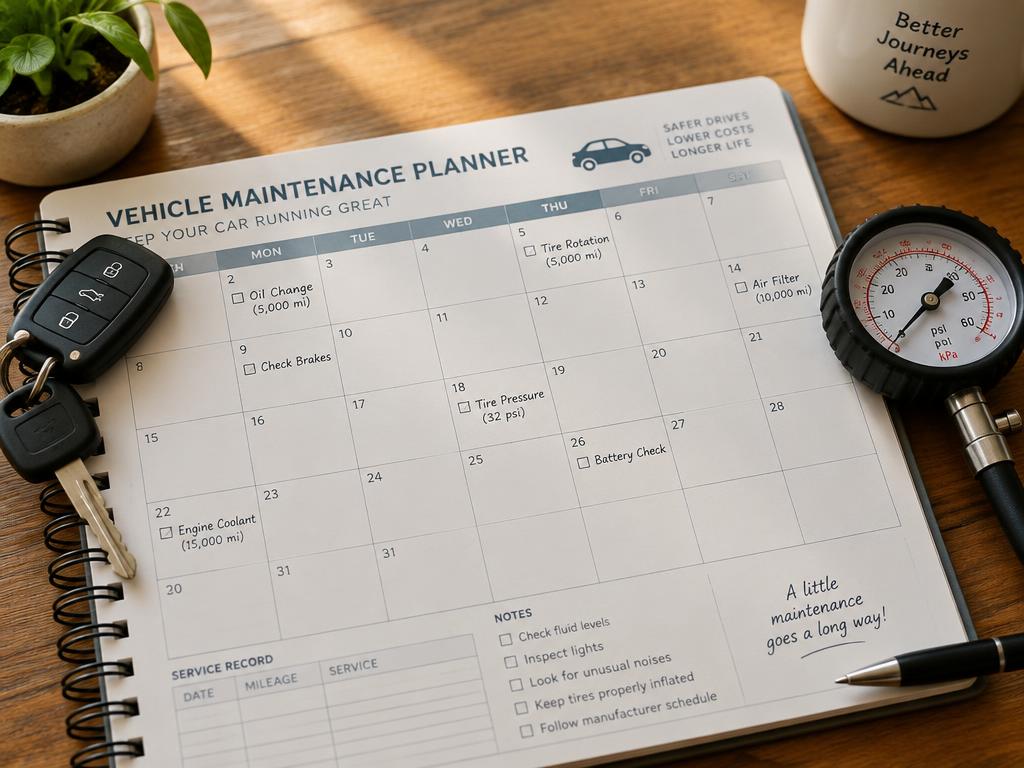
Group tasks by interval
What it means: Sort tasks into monthly checks, every few thousand miles, and yearly items.
Why it matters: Grouping lets you handle several items in one visit and keeps the plan easy to follow.
- 4
Step 4 of 6
Schedule routine inspections
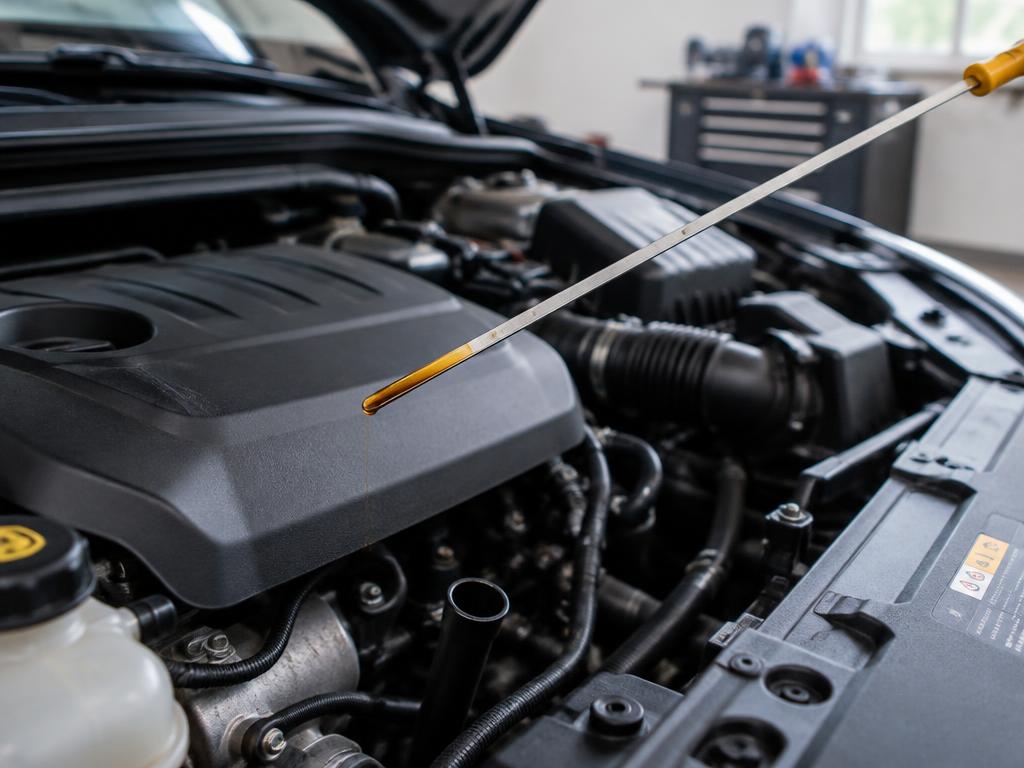
What it means: Add quick self-checks for fluids, tire pressure, lights, and wipers to your calendar.
Why it matters: Small checks catch issues early, before they become larger and more costly repairs.
A five minute monthly walk-around is a strong habit to start with.
- 5
Step 5 of 6
Plan for the seasons
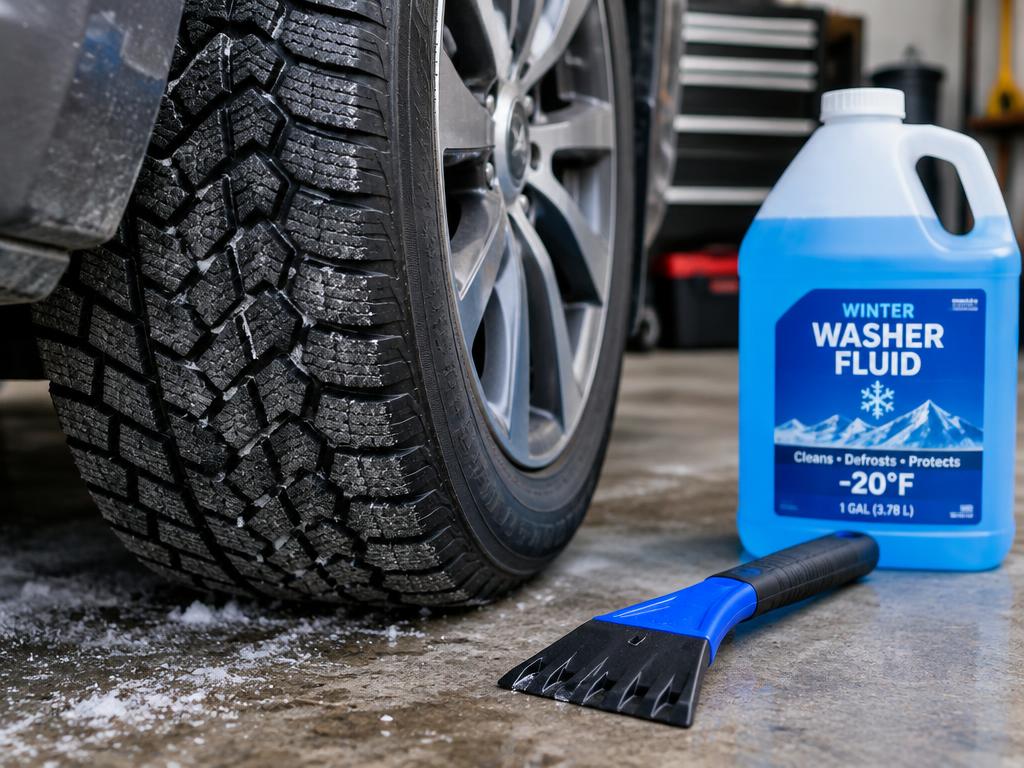
What it means: Add reminders before winter and summer for tires, battery, coolant, and washer fluid.
Why it matters: Weather changes put extra stress on specific parts. Preparing ahead reduces surprises.
- 6
Step 6 of 6
Review the plan every few months
What it means: Compare what was planned with what was actually done and adjust the next dates.
Why it matters: A plan stays useful only when it reflects real mileage and real service history.
Common questions